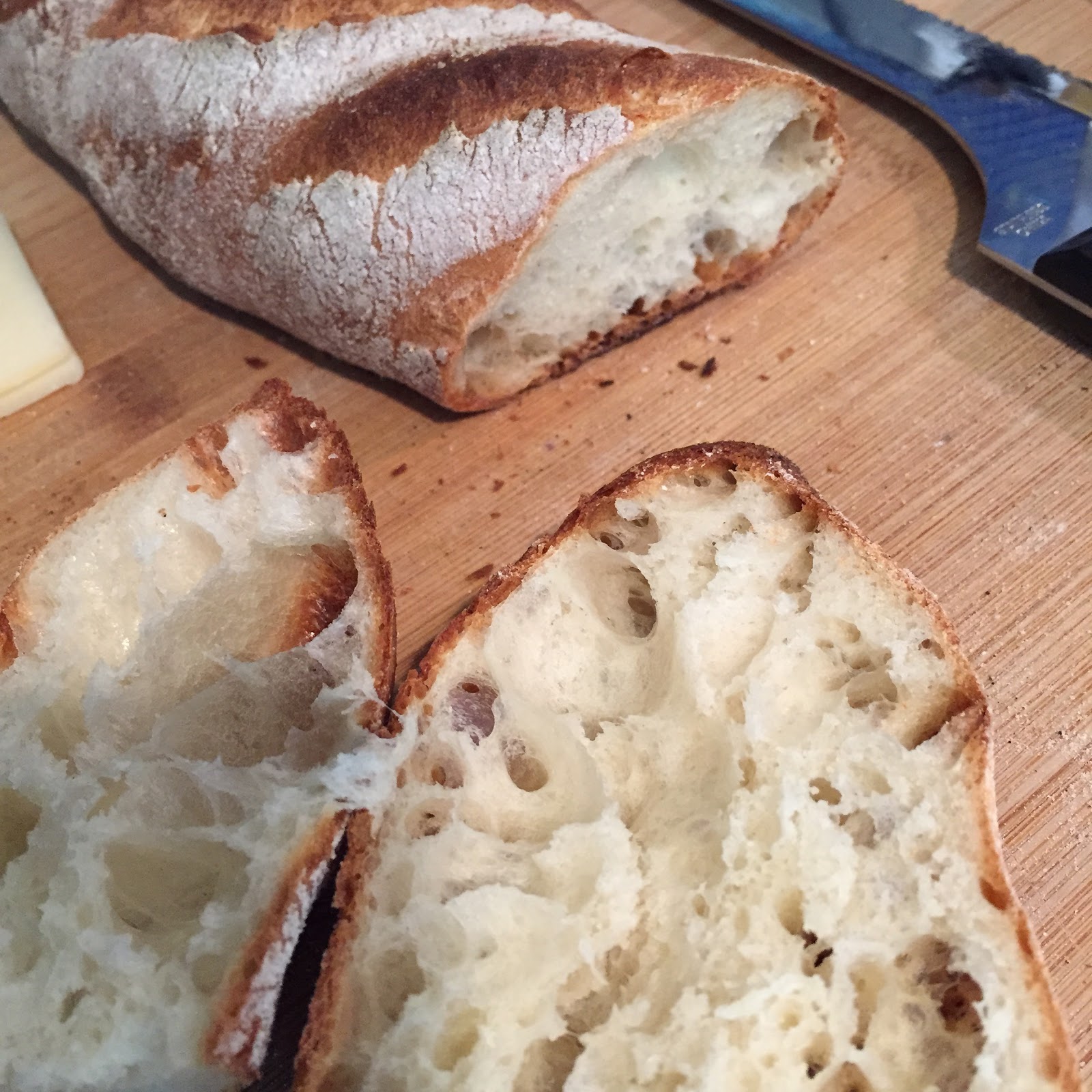
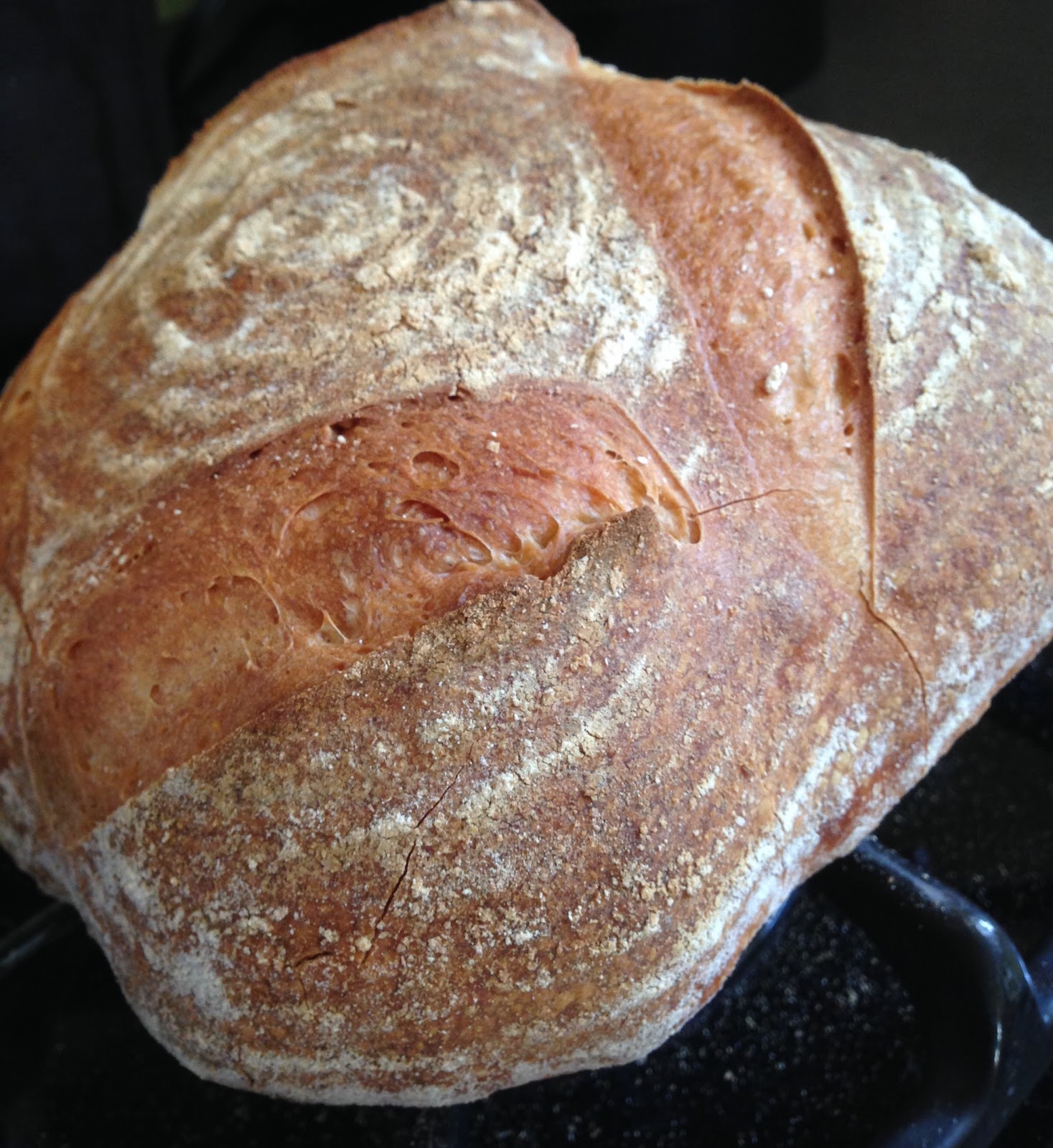
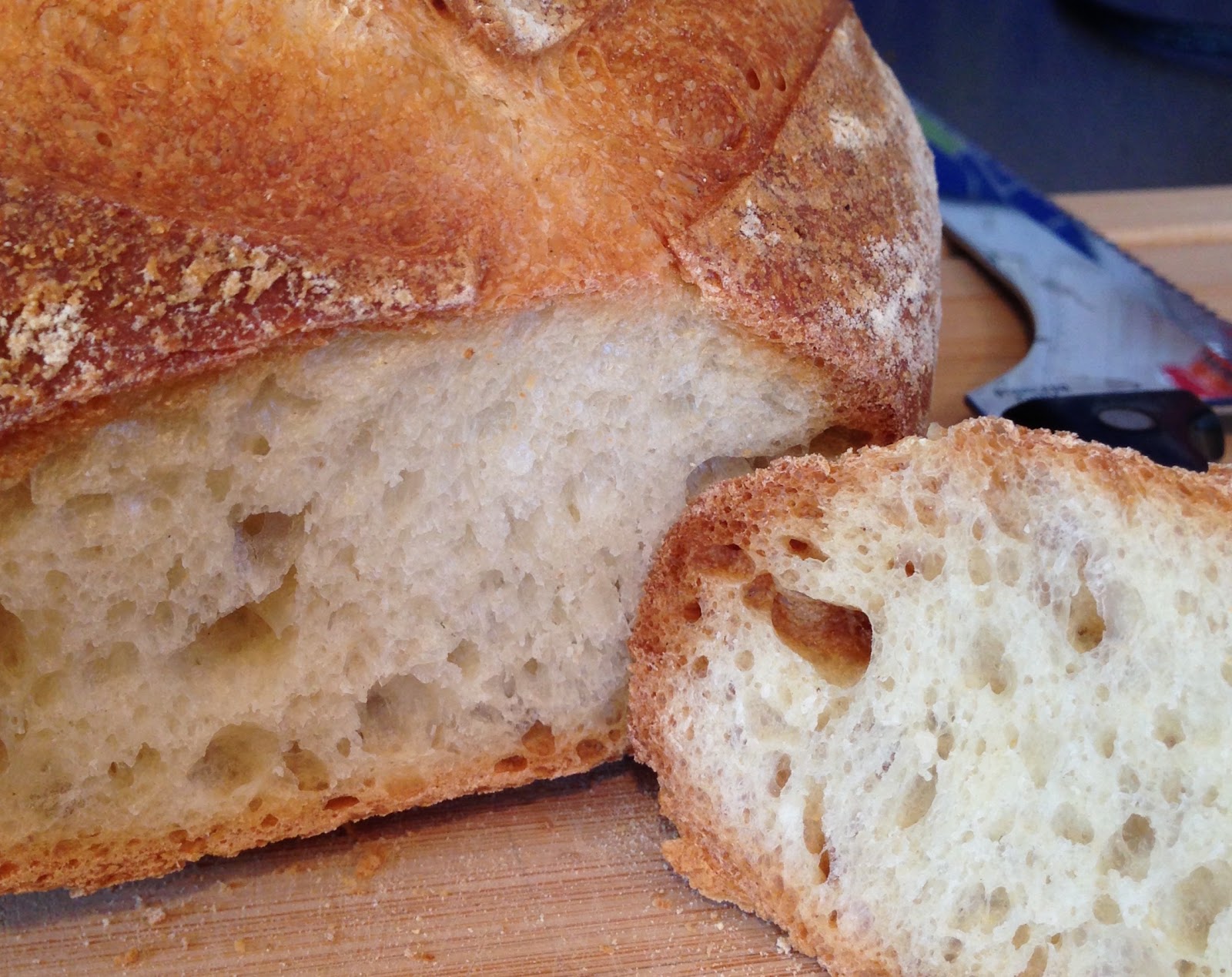
Classic and nutella. Dough using mostly milk and 10% whole wheat flour.
Similar but no whole wheat in flour bill.
Also all unbleached white, no wheat. Nutella on left. Interesting that the nutella didn't crush the internal structure.
inescapably obsessed with process reproducibility, in columbus, ohio
I needed some gardeneira the other day for a secret family recipe. For some reason, it's hard to find. I know Marzetti's makes one, but it's never in the stores I visit.
I've been a little preoccupied with Harvest's Pizza lately. It's wonderful. Tender, very lightly topped, crust as good as the toppings. On occasion I can hit something close in my grill, but in the oven, most of my pies suck. I latched onto thickness of dough over the past year or so. I thought tenderness might derive from a super thin crust, but some observations the other night at Harvest led me to different thinking. I realize a home oven isn't a real pizza oven, so my expectations are reasonable, but I should be able to do much better than I've been.
This was fun and exotic, until I realized it was just a GF pancake. The best discovery on this, is one doesn't need a sophisticated wet mill to get a nice result. I mixed urad dal (20 g), basmati rice (80 g), a few seeds of fenugreek, water (150 mL), salt (ca. 1/2 t, 2 g) and let it sit an hour before pureeing with my immersion blender. I cheated and added a touch of yeast. Then, cooked 'em like any pancakes adding a mix of cilantro and green onion to the uncooked side of the pancake before the flip.
Try these, they're tasty at room temperature. Fun snacks.
Heston Blumenthal does a triple cook on his chips (fries). One boil until the potatoes are nearly falling apart, drying in the freezer, a double dip in oil. The drying in the freezer is what kills the method for me. No way it's going to be easy to prep 10 lbs of potatoes with that kind requirement.
In order to dry them out, I took the boiled potatoes and placed them at room temp in front of a fan last night. I may have overdone it. A sample of potatoes indicated I had a loss on drying of about 50% (sample of potatoes went from 50 grams to 27 grams). These were placed in a tub and I'll fry them tonight for kicks.
Food bloggers have a funny twitch. If something can be done, it's a great method.
The other day I saw a microwave potato chip maker at the thrift store. It was a round plastic carousel in which potato slices are placed and the loaded ring tossed in the microwave. What emerges is a slightly colored, crisp chip - As Seen on TV. There's a million posts about this method, without the carousel thingy.
The other night, the wife and I wanted to eat a special chili gifted to us by a friend, a special Indian vegetarian chili in limited supply. Given the child's finicky nature when it comes to chili, we coveted it and gave her spaghetti. Side dish of spaghetti coming up!
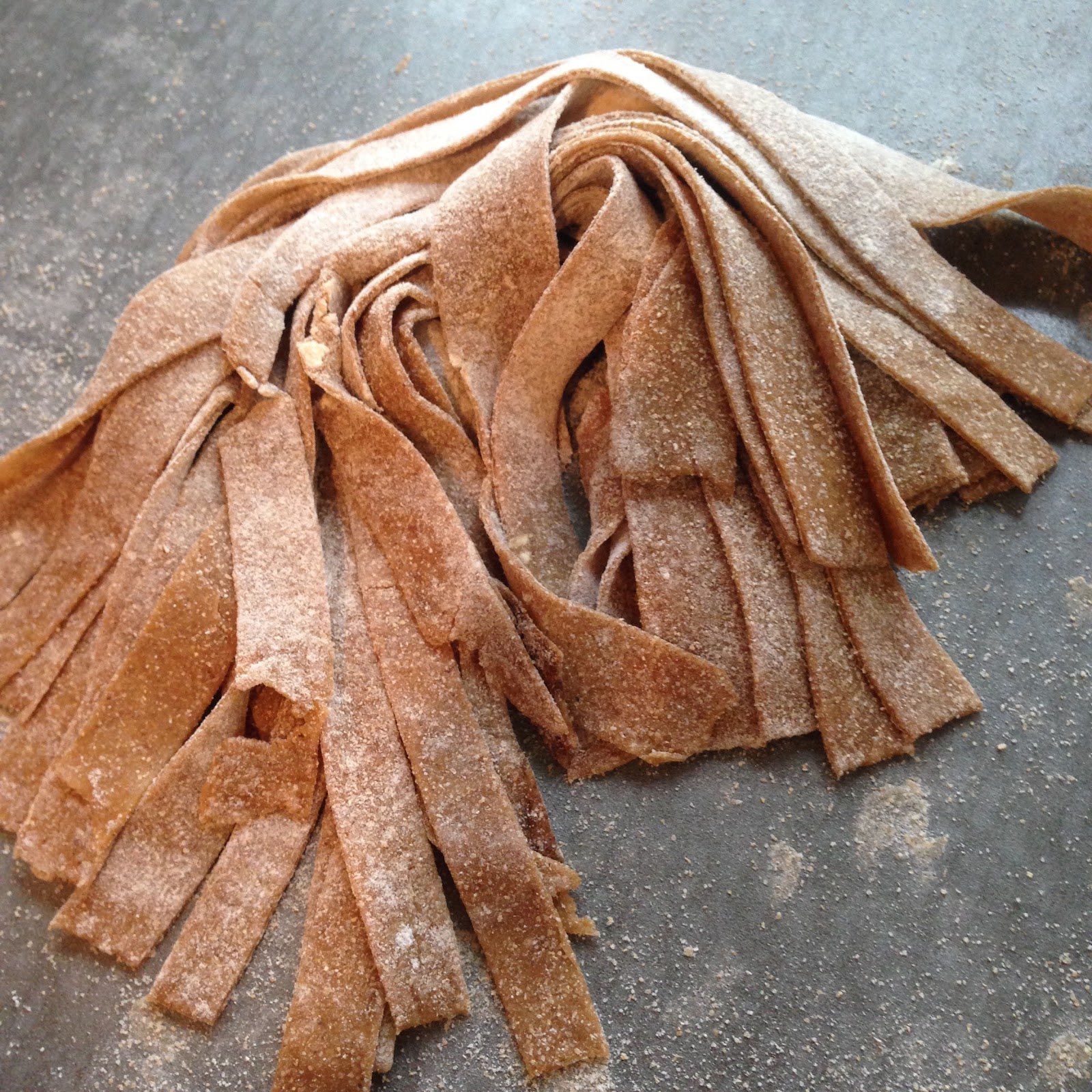
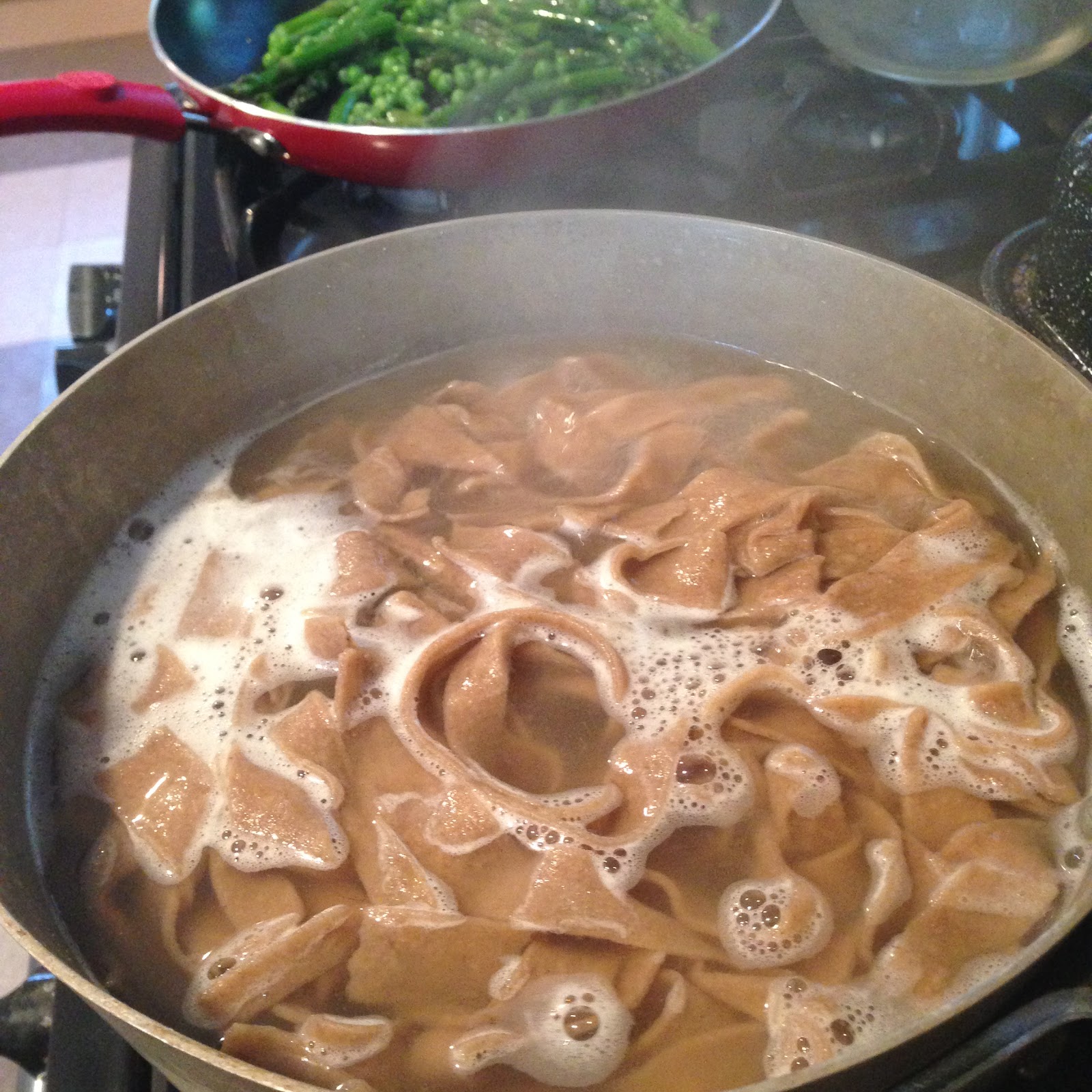
Rolling pasta by machine can take a lot of time if the initial hydration of dough isn't correct. Too wet and the dough requires running it through rollers, dusting with flour, and repeating that until it absorbs enough flour to get to a fine texture and dry enough not to stick when the noodles get cut. I also wanted to use a coarse wheat as part of the dough makeup. Here's what I came up with: 1 yolk + 1 whole egg, 65 g, salt 2 g, olive oil 5 g, unbleached white 110 g, coarse whole wheat 20 g. I mixed this quick by hand, dumped it on the counter and folded the stiff crumble a few times. It eventually gathered into a ball after some work, but it was tough. I resisted adding more water. The rollers would finish the kneading. I let it rest at room temp only about 10 minutes, passed it through coarse rollers and then down to 4 using a roller on a KitchenAid. Then the strips were cut to fine noodles which turned out to be a nice looking spaghetti. Because the dough was on the dry side, it flew through the process without too many passes and was silky smooth by the end. We got our chili and the kid her spag.
"Oven fried" is an expression commonly seen in the doctor's office copy of Family Circle. Potatoes or chicken skimmed with oil (because low fat food makes us all thin) and baked will make food that tastes "just like it's deep fried" claim the recipes.
These methods are an insult to the beauty of deep frying. With one exception. Mayo. Frankie and I will take thin pieces of chicken breast, coat with mayo and cover with seasoned bread crumbs and bake in a 400F oven. They're really great. It's not deep frying, but it's really a great coating that doesn't flake off. The mayo sticks to the flesh and holds the breading better cooking with just a skim of oil. It's like oil fixation .. or something.
I used this the other night on some frozen, poor quality shrimp in an attempt to salvage them. I thawed the shrimp, air dried them a while, plopped a bunch of mayo on the floor of the sink (I frequently use the floor of the sink as a workspace for messy jobs), dumped the shrimp and worked the mayo over the outside of the shrimp with my hands leaving as much on the surface as would stay on. I took the coated shrimp and dropped them in a mixture of 1 C bread crumbs and 1C sweetened coconut (and about 5 g salt) to coat them. I baked them in a 425F oven (a little too hot) on top of parchment. Next time I'll cook them a little lighter in color. Fun appetizer for the gang.
I'm a Jif super crunch guy. I lived on it during grad school. Almost everyday, lunch was a quick sandwich at my desk.
When I'm not eating the maligned processed peanut butters, I love the peanut butters made before my eyes with peanuts ground in the hopper before my eyes. The style/peanut-crunching-machines are in most fancy supermarkets. The peanut butter has got great texture, doesn't separate for a long time, about a few weeks and tastes great.
Today's question: Why does each and every "natural," no additive peanut butter taste like shit and absolutely nothing like the stuff crushed just prior to eating? Sorry locals, even @KremaNutCompany. The pre-ground peanut butters have some texture, kind of runny, separated and above all, the deal breaker, with a bitter aftertaste?
Ingredients tossed together, mixed, rested and rolled. That's my quick fix for fresh pasta. It's not quite as fine as that derived from machine rolling, but it's pretty good for a weeknight and a few servings barely takes an hour.
Validation has many meanings. The most interesting context for this word from my experience was in big pharma. When scaling up a process, bringing a chemical reaction from research to manufacturing, a reaction procedure goes through a process of being tried by many others to see if it works as described. If you're the first chemist in line, the innovator, it is a humiliating process. You see your personal touch get shredded with vigor by others until it becomes reproducible. It's one of the fastest ways an experimental chemist matures.
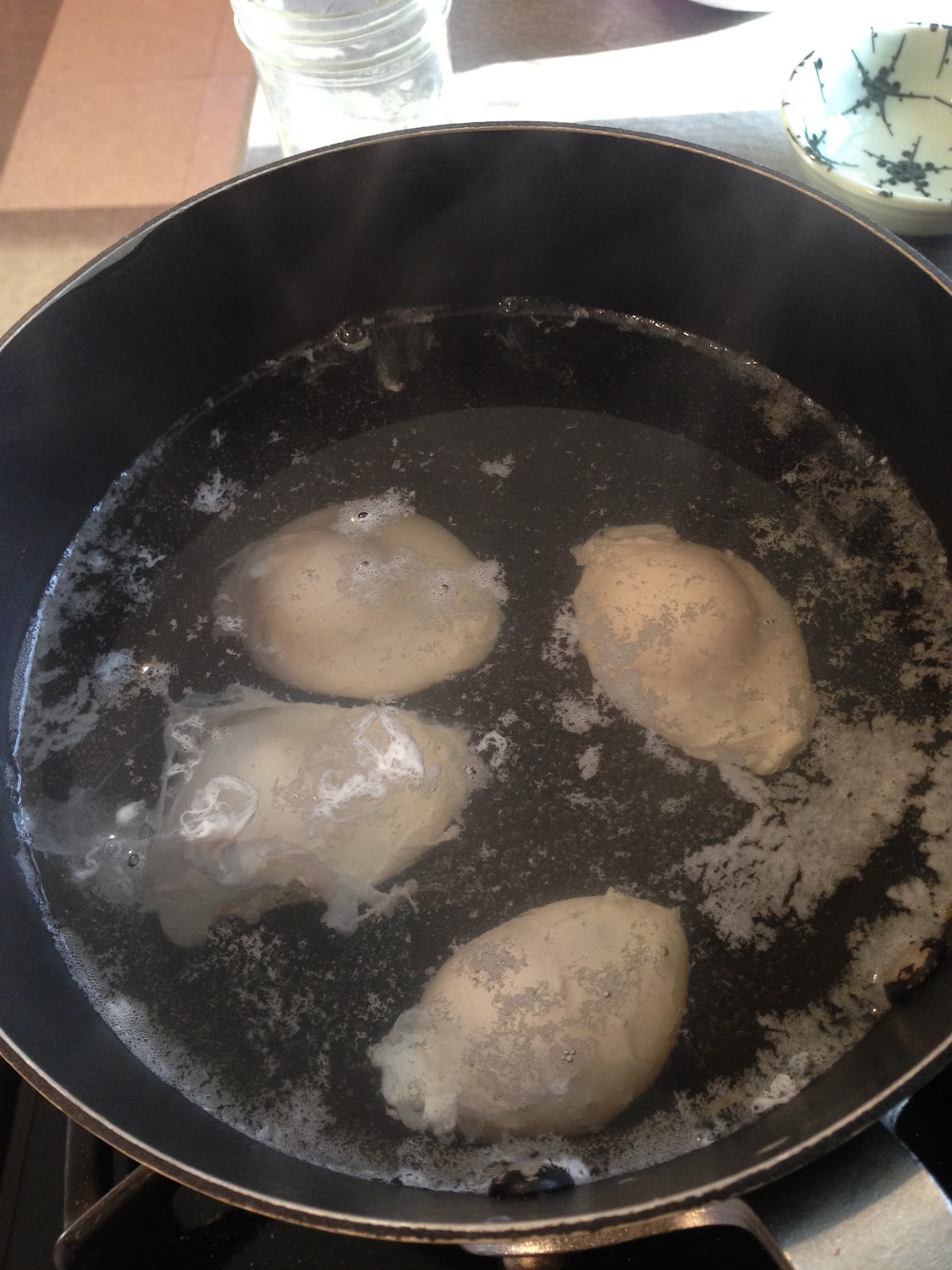
This is what I think about when @TestKitchen or the ilk call something "Master Recipe." It rarely is. But this poached egg method, it's perfect.
So, this post is only my experience with someone else's method, a validation of sorts. The only thing - I don't know where ground zero is, feel free to chime in via comments. I don't know who created this method. I'd like to have a beer with whoever it is.
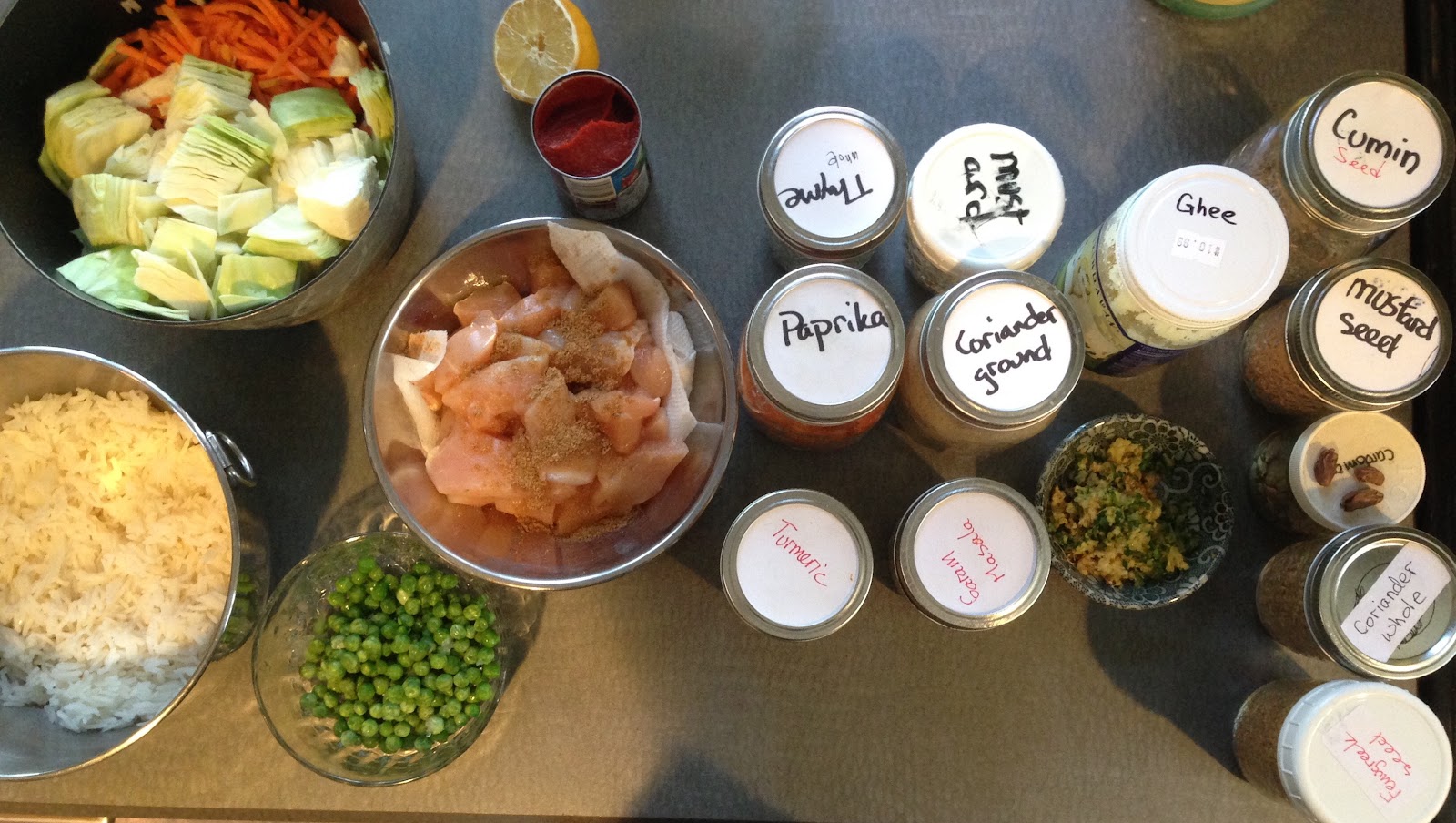
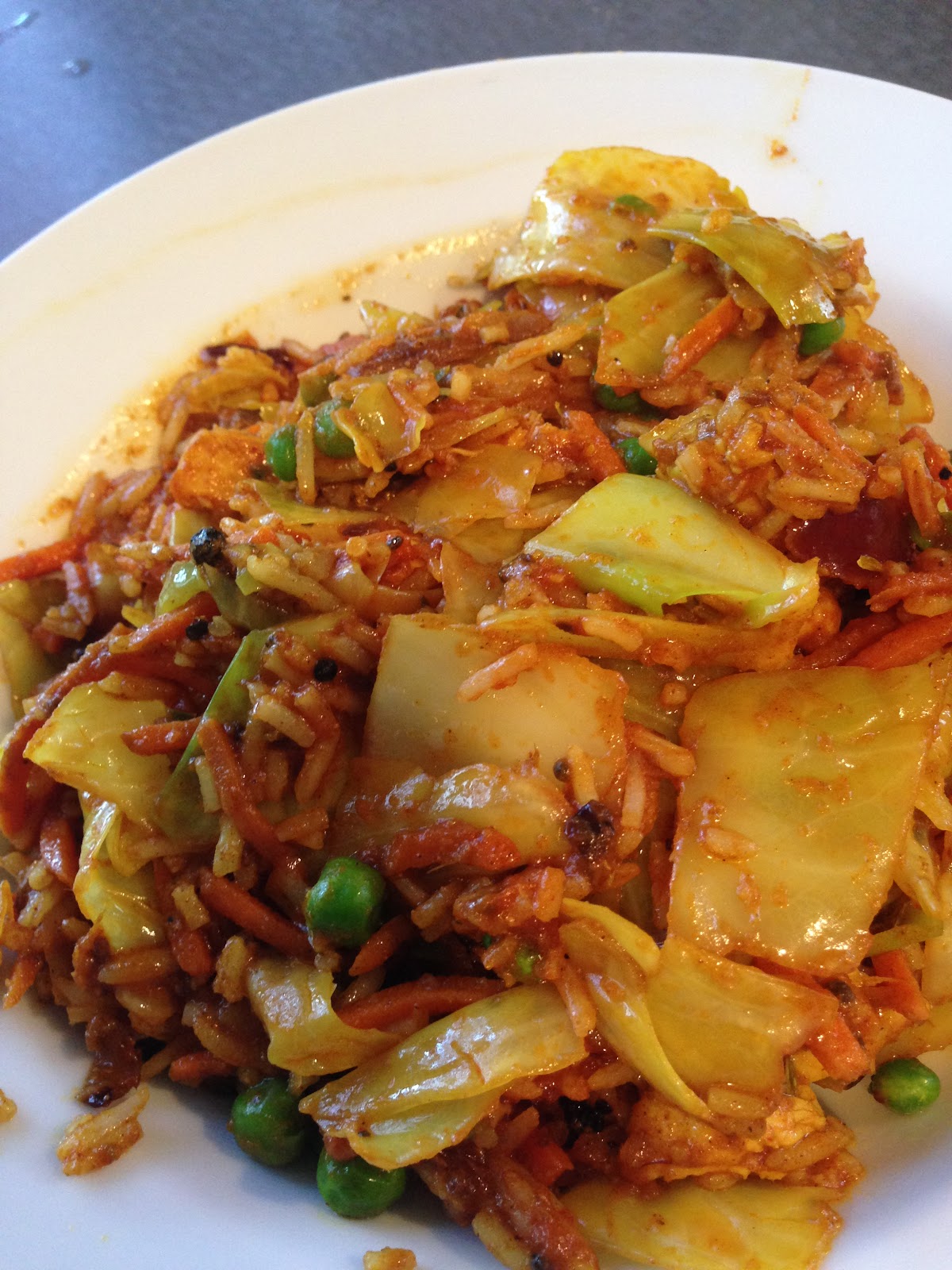
Inspired by the little industrious guy at Curry and Hurry who makes a killer chicken tikka biryani that we all love, I tried a few recipes to make something similar, failing miserably each time. I thought about the flavors I liked and took a stab at creating it from scratch. It didn't come out like Curry and Hurry's but I found a general prep for veggies and Indian spiced chicken and rice. What I like is the rice is cooked well, not mush, like what happened with oven versions. It's flexible and the "recipe" below is just an illustration of a general scheme - have fun with it.
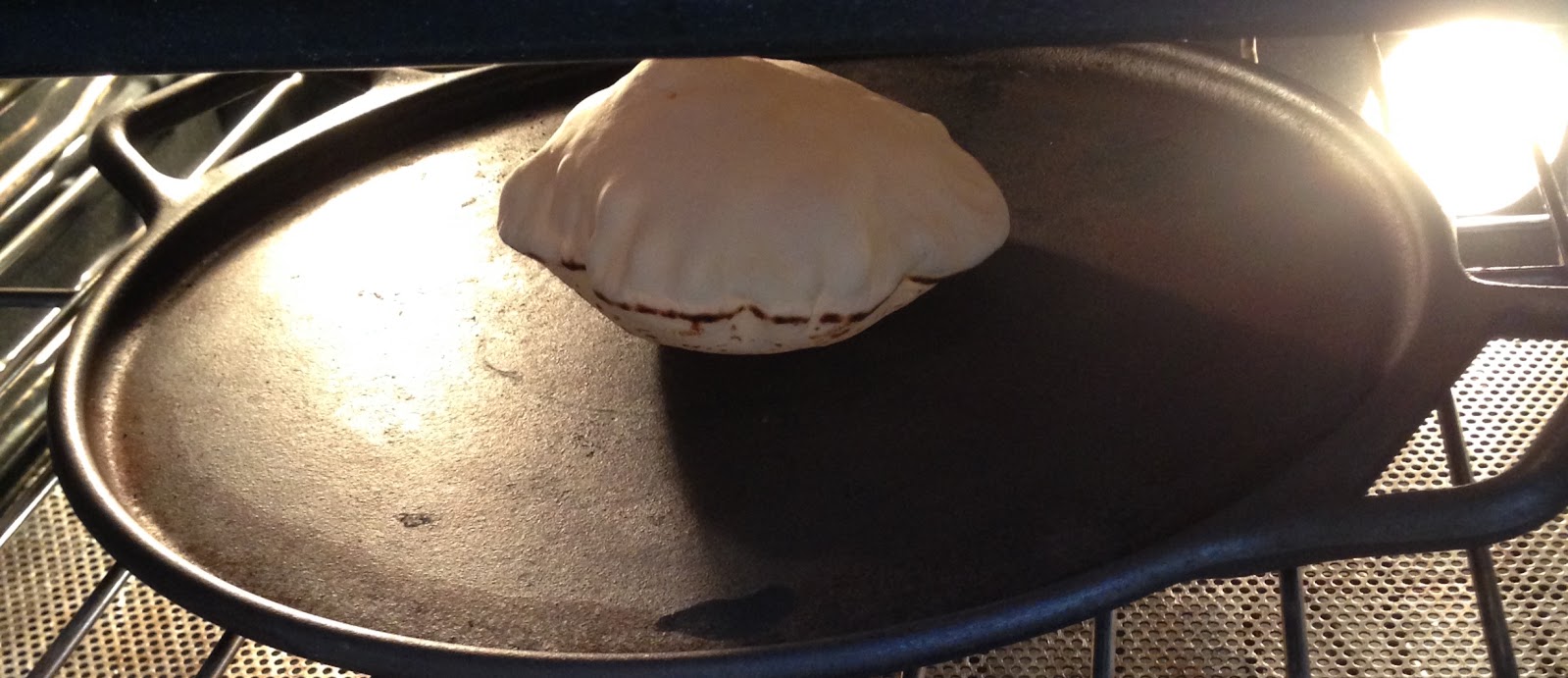
The learning curve on my flatbreads has flattened out; I'm giddy with my results. They've become a regular accompaniment to our Indian fare and Frankie's lunches. Whenever I spin off into a niche, I inevitably learn a new albeit subtle technique and am able to apply it to other areas, parlaying a history of nifty personal tricks.
What I learned most recently is the value of baking on a cast iron surface while using my 15" diameter low ridge cast